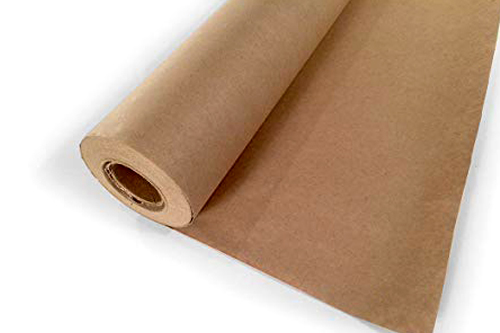
kraft-paper
PRODUCTS
Kraft Paper
Kraft paper is produced using a chemical conversion of wood into wood pulp, separating lignin and cellulose fibers. Its high strength makes it ideal for packaging requirements.
Kraft Paper Production
The term kraft paper covers a variety of products produced using the Kraft process, which ensures high strength due to reduced lignin content and a high sulphur ratio.
Production Details:
- Chemical conversion of wood into wood pulp
- Separation of lignin and cellulose fibers
- High sulphur ratio for strength
- Reduced lignin content
The Kraft Paper Process: While all kraft paper is produced using the Kraft process, small variations can greatly affect the end product. For example, the use of virgin or recycled pulp; kraft paper made from virgin pulp is very high strength with a high tear resistance level and best used for heavy duty applications, kraft paper made from recycled material has a lower strength and tear resistance level but is still suitable for heavy duty packaging applications and is more environmentally friendly.
All kraft papers can be a natural shade or bleached; natural shade paper is a heavier duty as bleaching decreases the paper's strength, however, a bleached paper has improved printability due to the smooth surface. Kraft paper can also be classified as MG or MF which refers to the finish of the paper in production; MF is machine finished and MG is machine glazed.
What is Kraft Paper Used For?
There is a large variety of kraft paper products available suitable for different uses:
Common Uses:
- Bags for shopping applications (Bag Kraft)
- Heavy duty industrial bags (Sack Kraft)
- Food wrapping/packaging (MG and MF Bleached Kraft)
- Boxes/Corrugation (Kraft Liner Board - KLB)
Boxes are made using a high grammage, high strength kraft referred to as Kraft Liner Board (KLB). This is used most often in the food industry where boxes are kept in moist conditions and need a high strength.
Kraft paper is not restricted to the above uses, with the increasing awareness of environmental concerns most companies are turning to kraft paper as an economically and environmentally friendly solution.
Environmental Benefits
The Kraft process can use all types of wood, almost all chemicals used are recycled and reusable, and by-products are recycled or reused where possible.
Eco-friendly Aspects:
- Uses all types of wood
- Recycled and reusable chemicals
- By-products are recycled or reused
Different Uses of Kraft Paper
A large variety of kraft paper products are available with different uses ranging from the mundane to the specialty.
Types:
- Bag Kraft - used to produce bags for shopping applications
- Sack Kraft - heavy duty industrial bags
- MG and MF Bleached Kraft – food wrapping and packaging
- Kraft Liner Board (KLB) – boxes for moist conditions
- Waxed kraft paper – food industry, deli meats and cheeses
- PE coated kraft paper – fast food industry tray liners
- Greaseproof paper – high heat, oil and grease resistance for cooking and baking